The border crossing that keeps slipping
SANDAG has talked about a phased opening as early as late 2027. Its own business case says early 2028. Either way, the region is still waiting.
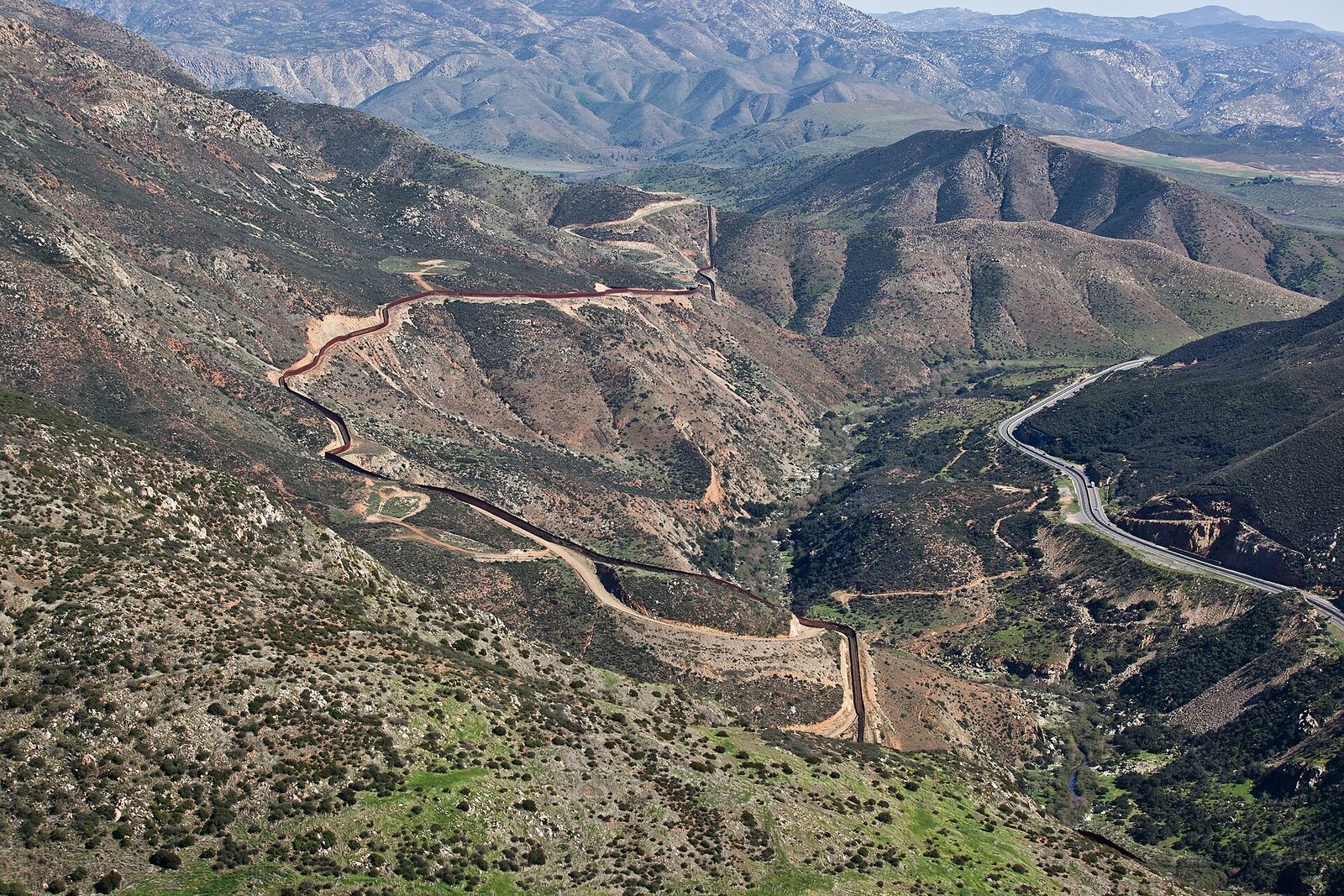
OTAY MESA: The San Diego-Tijuana border is the busiest land border crossing in the Western Hemisphere, and everyone who uses it knows the arithmetic of the wait. Otay Mesa East, the new port of entry under construction in the eastern Otay Mesa, is the region's answer: a third crossing, toll-funded, with dynamic pricing to spread demand across the day. The question is when it opens. The San Diego Association of Governments said in April 2025 that a phased opening was being considered for late 2027; its business-case brochure puts the opening in early 2028.
The project has the federal pieces in place that took years to assemble. A $150 million federal grant, initially awarded in September 2022 and finalized in April 2025, anchors the funding, according to SANDAG. The crossing will connect to State Route 11 and is designed to siphon commercial and passenger traffic from San Ysidro and the existing Otay Mesa port, where wait times remain the region's most visible infrastructure failure.
Why a toll crossing
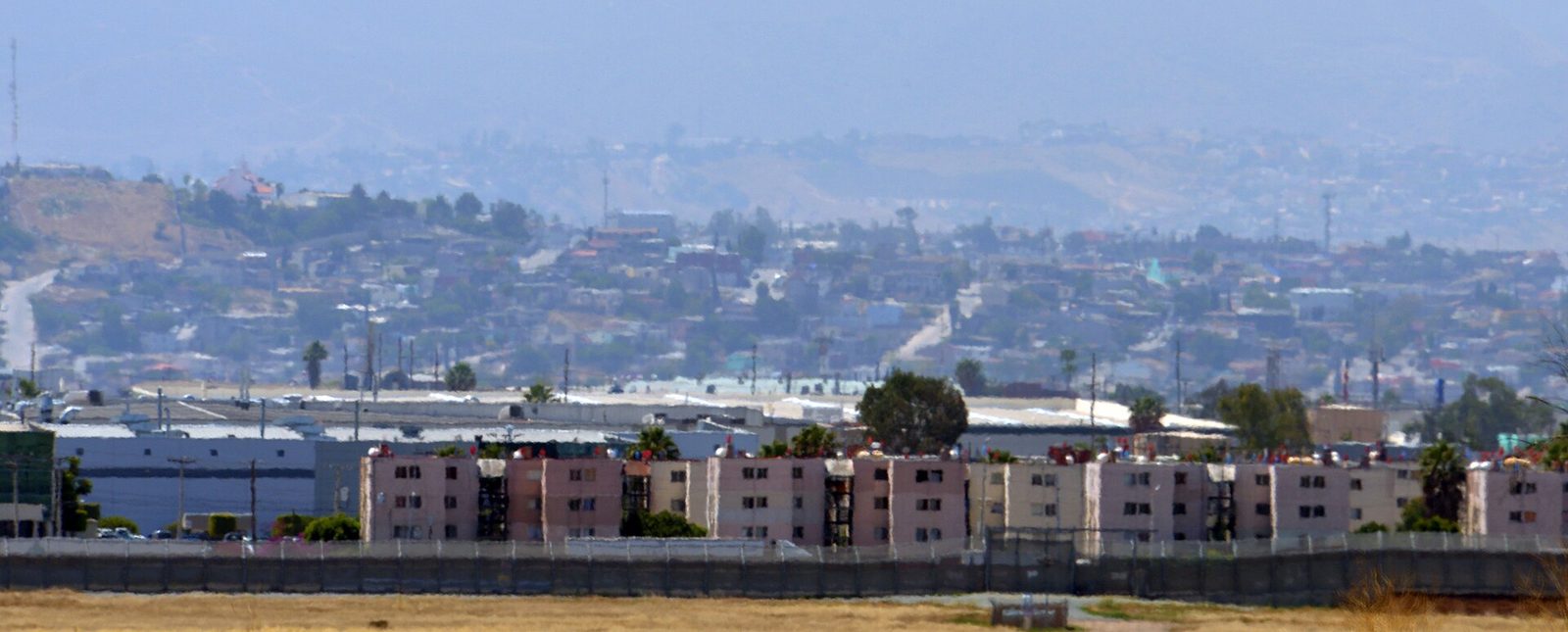
Otay Mesa East will be the first toll-funded land border crossing between the United States and Mexico. The logic is that variable tolling can shift discretionary trips out of peak hours, something no amount of new lanes at the existing ports can do on its own. SANDAG's business case for the project argues that the crossing pays for itself while cutting the economic drag of border delays, which the region's business groups have long described as a tax on cross-border commerce.
The schedule pressure
Binational infrastructure projects do not keep simple schedules. Construction on the Mexican side, the build-out of connecting roadways, and the coordination of inspection technology all have to converge. The spread between a phased late-2027 opening and an early-2028 full opening tells you how much still has to go right, and in which order.
The stakes are concrete. Every month of delay is another month in which the region's cross-border economy, which trade groups describe in the tens of billions of dollars, absorbs the cost of idling trucks and missed shifts. Otay Mesa East was conceived as the crossing that finally treats border wait times as a solvable engineering problem rather than a fact of life. Whether it opens on the early or late end of its own stated window will be the first test of that premise.
None to date. The Tribune corrects errors promptly and transparently. Read our corrections policy.
