California co-leads lawsuit to block HUD rule on mixed-status housing
California and 20 other attorneys general sued the U.S. Department of Housing and Urban Development on Monday over a final rule that would end federal housing help for mixed-status families, a change the state says would put more than 7,000 California households at risk.
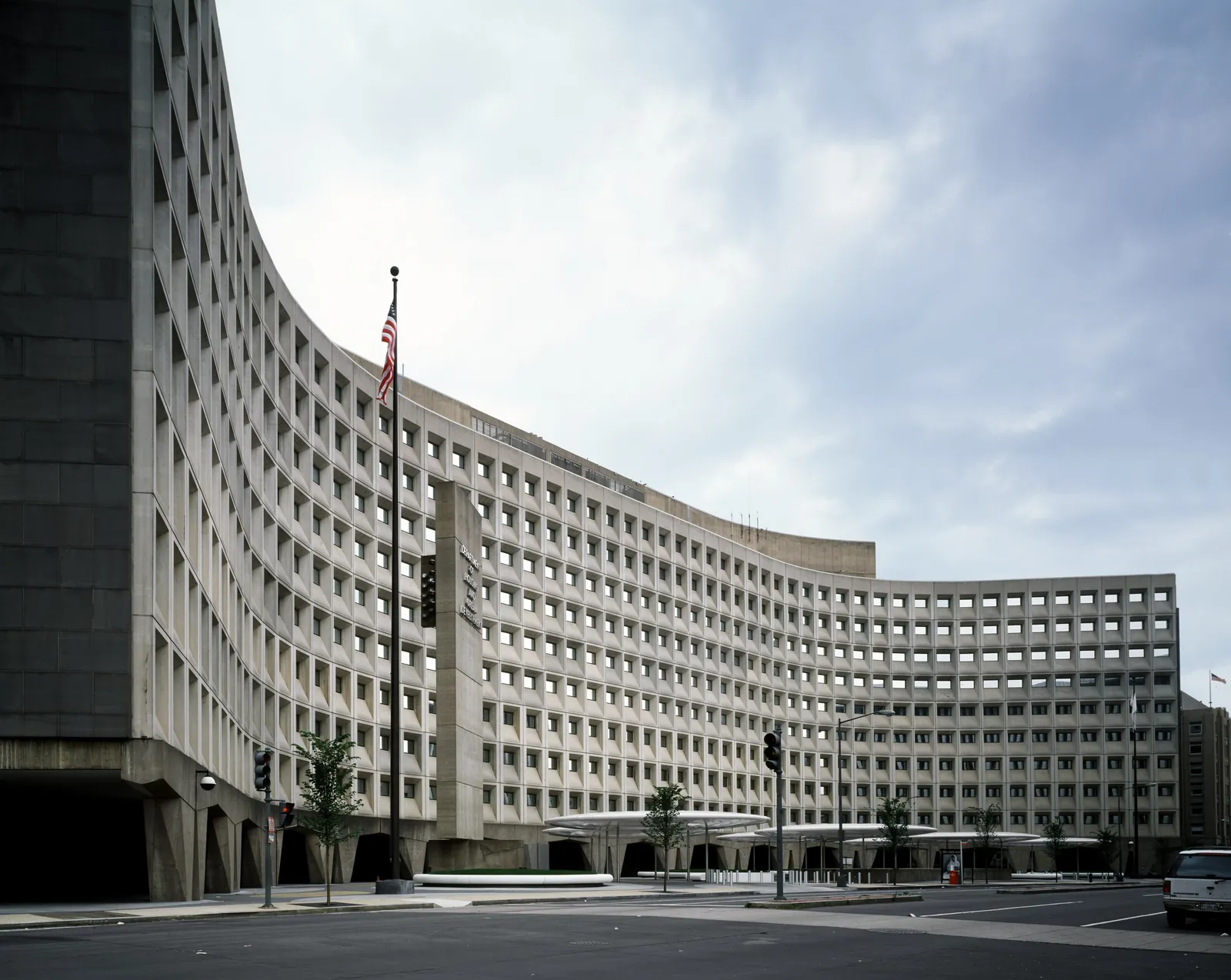
SAN DIEGO: California sued the federal housing department on Monday, one of three states leading a group of 21 attorneys general, joined by Pennsylvania's governor, in a challenge to a new rule that would bar mixed-status families from public housing and from federal rental assistance.
The complaint, filed in the U.S. District Court for the District of Massachusetts as Case 1:26-cv-15218, names the U.S. Department of Housing and Urban Development and Secretary Scott Turner as defendants. California Attorney General Rob Bonta co-led the filing with the attorneys general of New York and Massachusetts. The coalition asks the court to declare the rule unlawful, vacate it in full and stop the department from putting it into effect.

A mixed-status family is a household in which at least one member qualifies for federal housing assistance and at least one other member does not, because of immigration status. For three decades, federal rules under Section 214 of the Housing and Community Development Act have let such families stay together on assistance that is reduced, or prorated, according to how many members of the household are ineligible. The complaint says Congress wrote that proration approach into the statute itself.
What the new rule would change
The department published the final rule, called Verification of Eligible Status, on November 12, and it is set to take effect on December 14. Under the rule, every member of a household in a covered program must verify citizenship or an eligible immigration status, and prorated assistance becomes a temporary condition while verification is pending rather than a standing arrangement. Current tenants in mixed-status families who have not already submitted evidence of eligible status would have 90 days after the effective date to submit it. The covered programs include public housing, Housing Choice Vouchers, known as Section 8, and project-based rental assistance.
The Attorney General's office said the rule also brings new proof requirements for U.S. citizens and for elderly people in subsidized housing, and requires public housing authorities and private landlords in the programs to tell participants and applicants of their obligation to notify the U.S. Department of Homeland Security at once if they determine that a member of a household is undocumented.

In California alone, the Attorney General's office said, the rule would affect more than 7,000 mixed-status households and could displace thousands of U.S. citizen children. The complaint puts the national figure at 55,000 low-income U.S. citizens and eligible noncitizens living in mixed-status households, more than two-thirds of them children or elderly people, and says the rule is designed to force their departure or eviction.
The claims the states take to court
The states argue first that the rule exceeds the department's statutory authority under the Administrative Procedure Act because it cuts against Section 214, which provides for prorated assistance, gives public housing authorities discretion over whether to verify the status of every person in a household, and exempts eligible noncitizens aged 62 or older from added documentation requirements. They argue second that the rule is arbitrary and capricious: that the department gave no justified explanation for reversing the longstanding policy, relied on factors Congress did not intend it to weigh, and did not adequately consider the harm to states and housing providers or the alternatives open to it.
"Families should not have to choose between remaining together and keeping a roof over their heads," Bonta said in the release announcing the suit. His office said he had co-led a coalition earlier this year in filing a comment letter against the rule while it was still a proposal.
Joining the three co-lead states in the suit are the attorneys general of Arizona, Colorado, Connecticut, Delaware, Hawai'i, Illinois, Maine, Maryland, Michigan, Minnesota, New Jersey, New Mexico, Oregon, Rhode Island, Virginia, Vermont, Washington and Wisconsin, along with the District of Columbia and the governor of Pennsylvania. The rule is scheduled to take effect on December 14 unless a court orders otherwise.
None to date. The Tribune corrects errors promptly and transparently. Read our corrections policy.