Rules Committee sends dark money and shadow campaign reforms to the full council
The package forwarded Wednesday would put a group's top five donors on its mailers, force look-back disclosure from candidates backed before they filed, curb year-round fundraising and require disclosure of computer-generated campaign images. It advances as independent spending in San Diego elections passes a record $3.15 million.
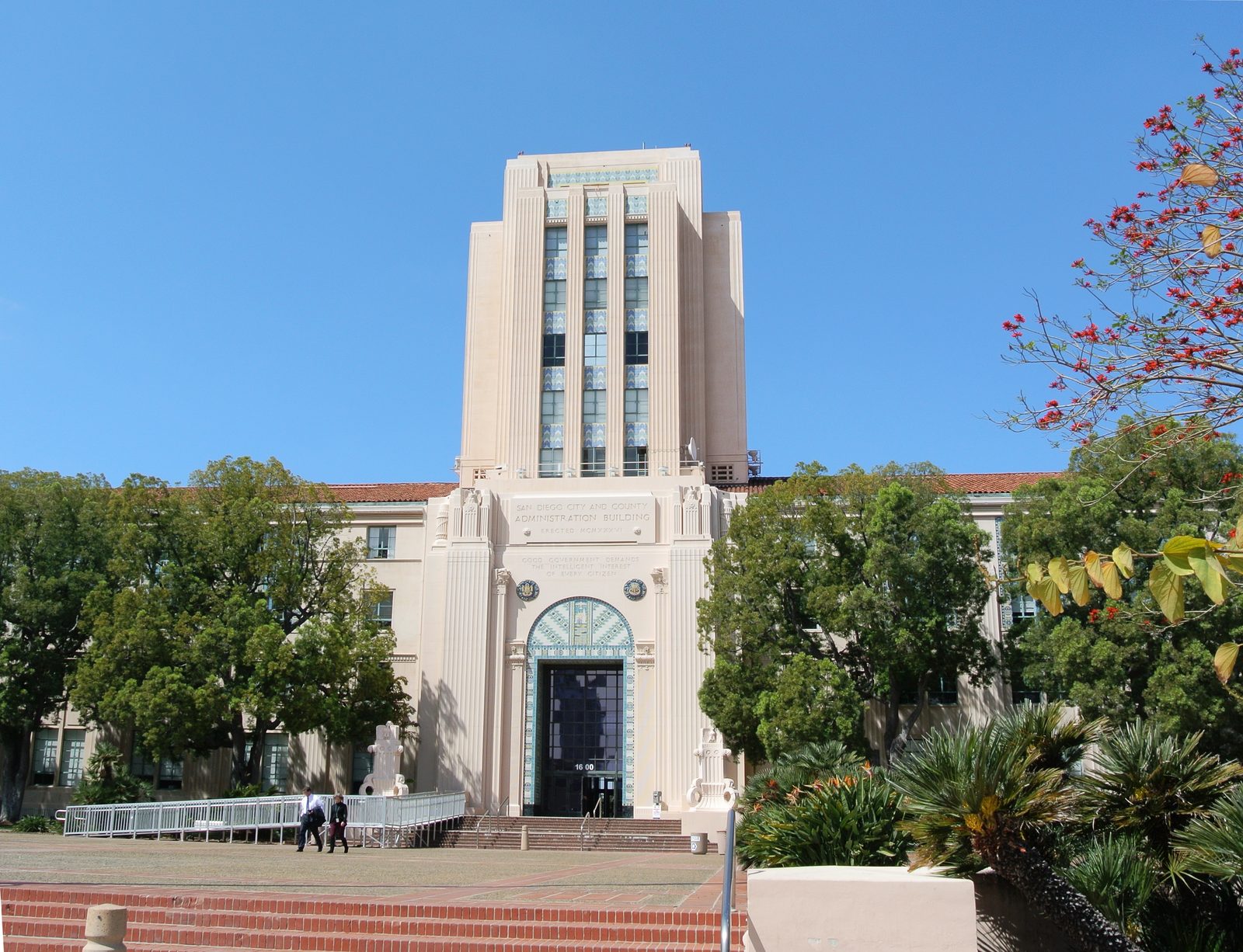
SAN DIEGO: A City Council committee on Wednesday forwarded a package of campaign transparency rules to the full council for final approval, a set of reforms aimed at dark money, shadow campaigns and computer-generated campaign images, sponsored by Councilmember Sean Elo-Rivera.
The timing is the argument. More than $3.15 million has been spent this election cycle by independent committees, topping the previous record of $3.1 million set in 2018, the local chapter of the League of Women Voters said Wednesday. The record fell with nearly three weeks still to go before Election Day on Nov. 3, said Kim Knox, a past president of the chapter.
The centerpiece of the proposal is a disclosure rule for groups with generic, community-sounding names: they would have to list their top five financial contributors on mailers and other campaign literature. A related part of the package targets donations funneled from a donor through multiple committees to obscure the original source of the money.
Fake images, early campaigns, endless fundraising
Another rule would force candidates and campaigns to disclose the use of computer-generated imagery, such as fake images or images showing candidates doing or saying things they never did or said. The example cited Wednesday was a mailer this fall opposing District 8 council candidate Gerardo Ramirez that shows a computer-generated image of President Donald Trump whispering in Ramirez's ear. Ramirez is in a Democrat versus Democrat runoff with Antonio Martinez.
The package also attacks two timing loopholes. To end what Elo-Rivera calls perpetual campaigns, it would shrink the window for candidate fundraising to exactly one year before the election being targeted. And for shadow campaigns, where support builds before a candidate officially files to run, a candidate who received support before declaring would have to file a look-back disclosure immediately and reveal who funded that preliminary support. Elo-Rivera's example was District 2 candidate Richard Bailey, whose picture and signature appeared on multiple mailers weeks before he declared his candidacy last winter. Bailey has said those mailers are protected free speech under the First Amendment.
Support, and a constitutional caution
The region's top labor leader, Brigette Browning, president of the San Diego and Imperial Counties Labor Council, endorsed the proposals on Wednesday. Councilmember Raul Campillo voted to send the package to the full council but expressed concern that some of the new rules could be unconstitutional, and he asked the City Attorney's staff to weigh in on those concerns when the reforms reach the council. Other critics said the rules would be hard to enforce, while Council President Joe LaCava said he is optimistic the city's Ethics Commission could enforce them.
"We have to give them a reason to trust," Elo-Rivera said of voters. The package now goes to the full City Council, which will decide whether the disclosure rules become city law.
None to date. The Tribune corrects errors promptly and transparently. Read our corrections policy.