Pure Water's turning point
The $1.76 billion first phase of San Diego's recycled-water program is nearly built. Startup testing begins in 2026, and purified water follows.
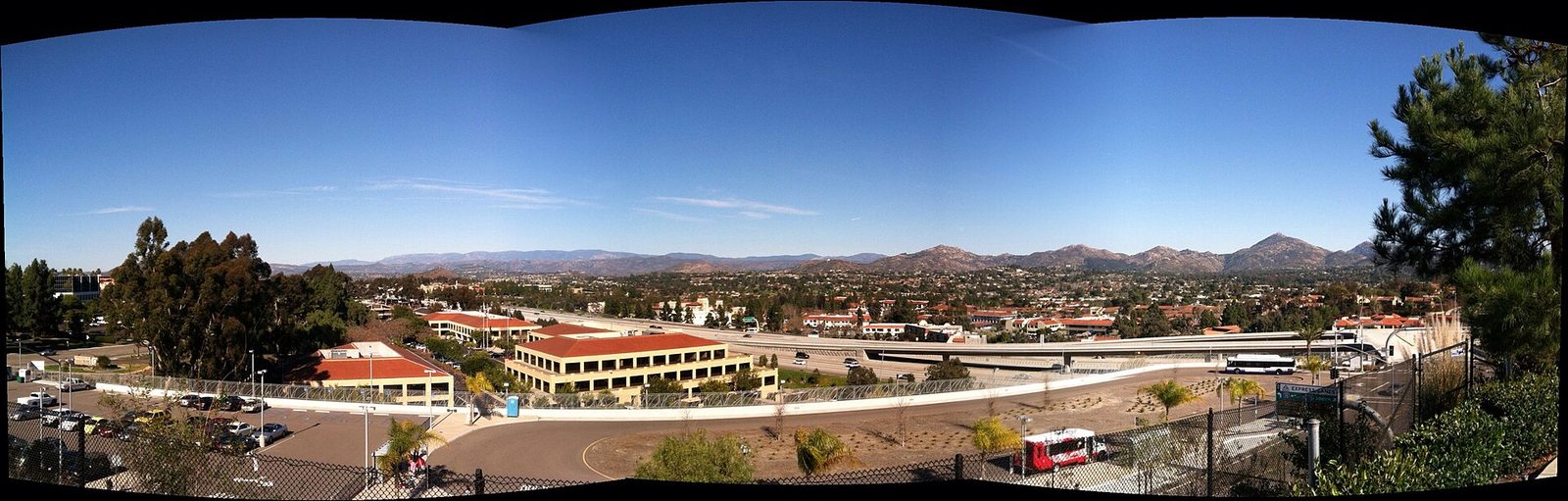
UNIVERSITY CITY: The largest infrastructure program San Diego has ever undertaken is nearly done being built. Phase 1 of Pure Water San Diego, eleven construction projects totaling $1.76 billion, is in its final stretch: the North City Pure Water Facility, a $373.8 million plant designed to produce 30 million gallons a day of purified drinking water. The city's program office says startup testing begins in 2026, with distribution to follow, initially about 7.5 million gallons a day and ramping to the full 30 once the Morena Pump Station comes online.
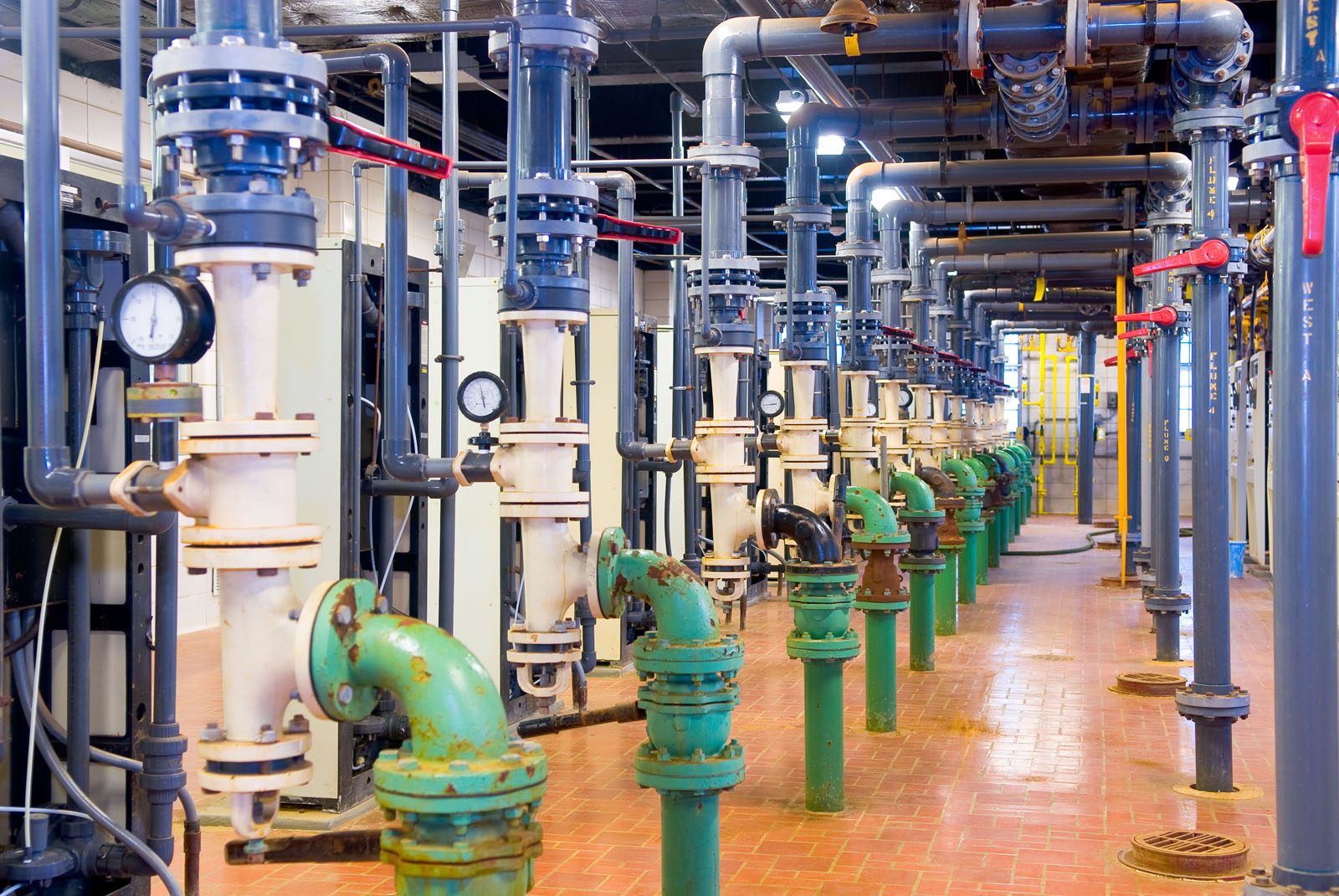
The facility on Eastgate Mall takes recycled water from the North City Water Reclamation Plant and runs it through a five-step purification process: ozonation, biological activated carbon filters, membrane filtration, reverse osmosis, and ultraviolet light with advanced oxidation. The North City Pure Water Pump Station then conveys the purified water to Miramar Reservoir for storage, and the Miramar Drinking Water Plant treats it to regulated drinking-water standards before it reaches homes and businesses.
Why it matters
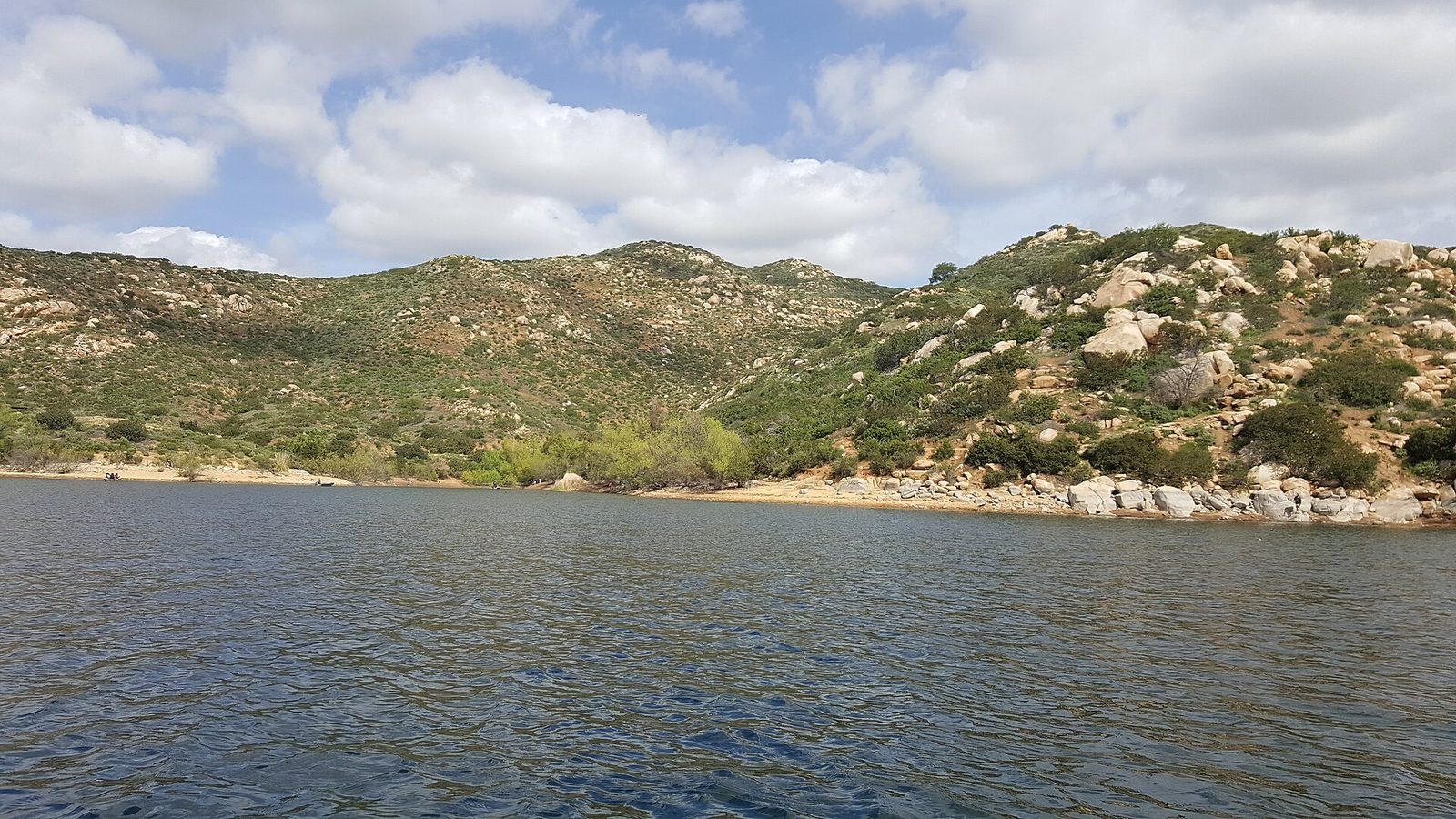
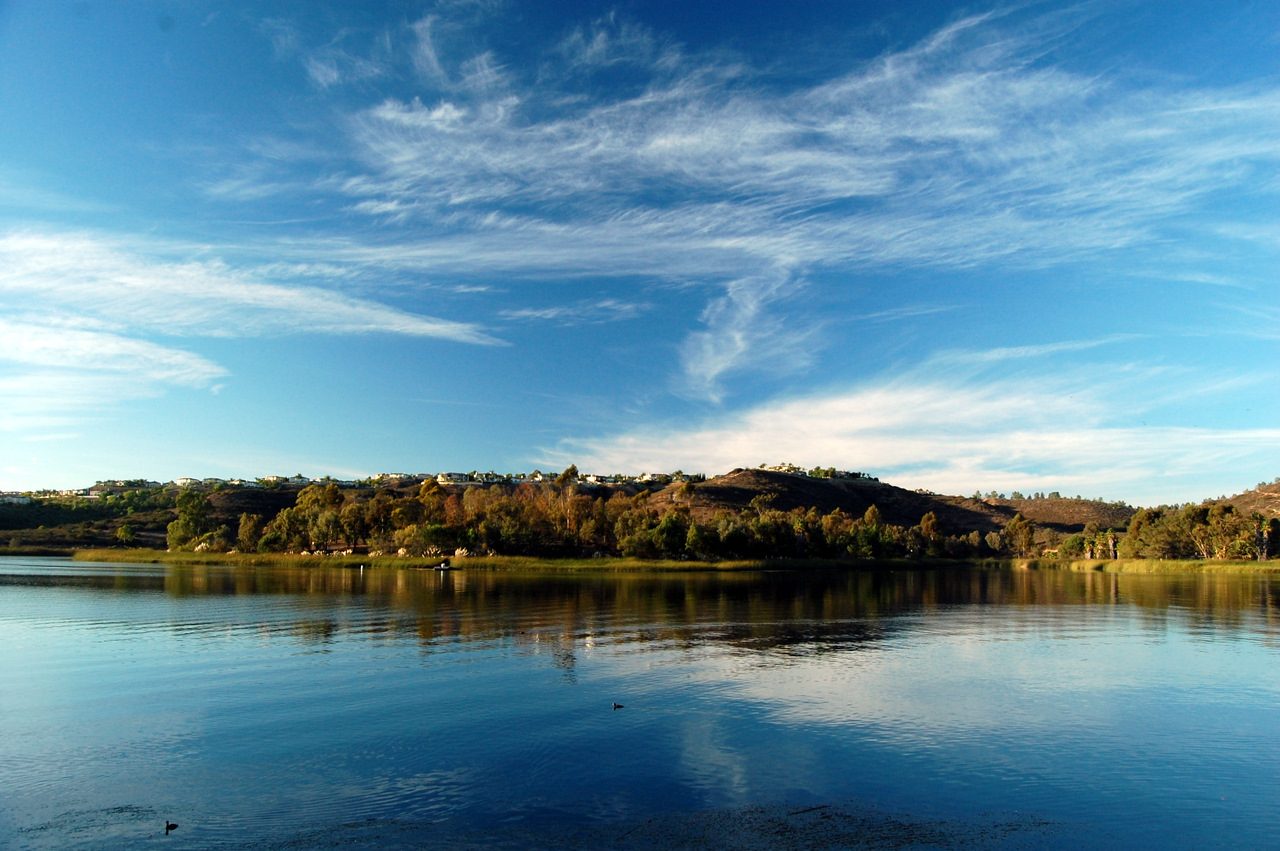
San Diego imports as much as 90 percent of its water, from the Bay Delta and the Colorado River, both under long-term strain. The Pure Water program is designed to cut that dependence in half. Phase 2, still under evaluation, would add plants feeding Lake Murray and the San Vicente Reservoir for a program total of 83 million gallons a day, nearly half the city's local supply by 2035.
The turning point is not the ribbon cutting. It is the moment, late this year, when water that was wastewater becomes tap water at scale in an American city that has spent a century importing almost everything it drinks. The engineering is proven; the city's one-million-gallon-a-day pilot plant has run since 2011. What changes now is the volume, and with it, the city's relationship to its own water.
None to date. The Tribune corrects errors promptly and transparently. Read our corrections policy.