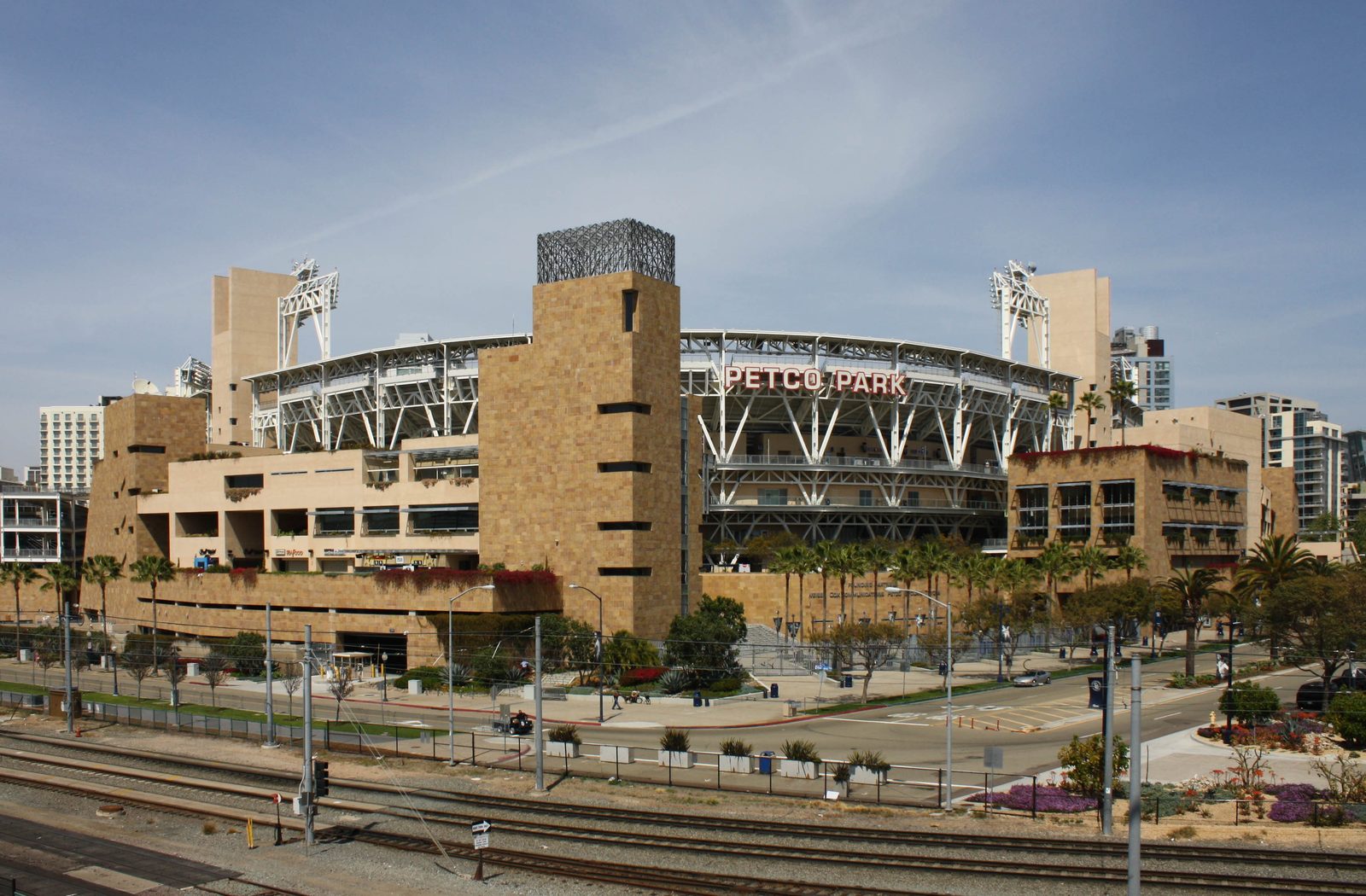
Comic-Con's footprint is the whole city
More than 135,000 expected attendees, a projected $160 million in regional impact, 61,000 hotel-room nights. The 2026 convention reminded San Diego what it rents out every July, and what it gets back.
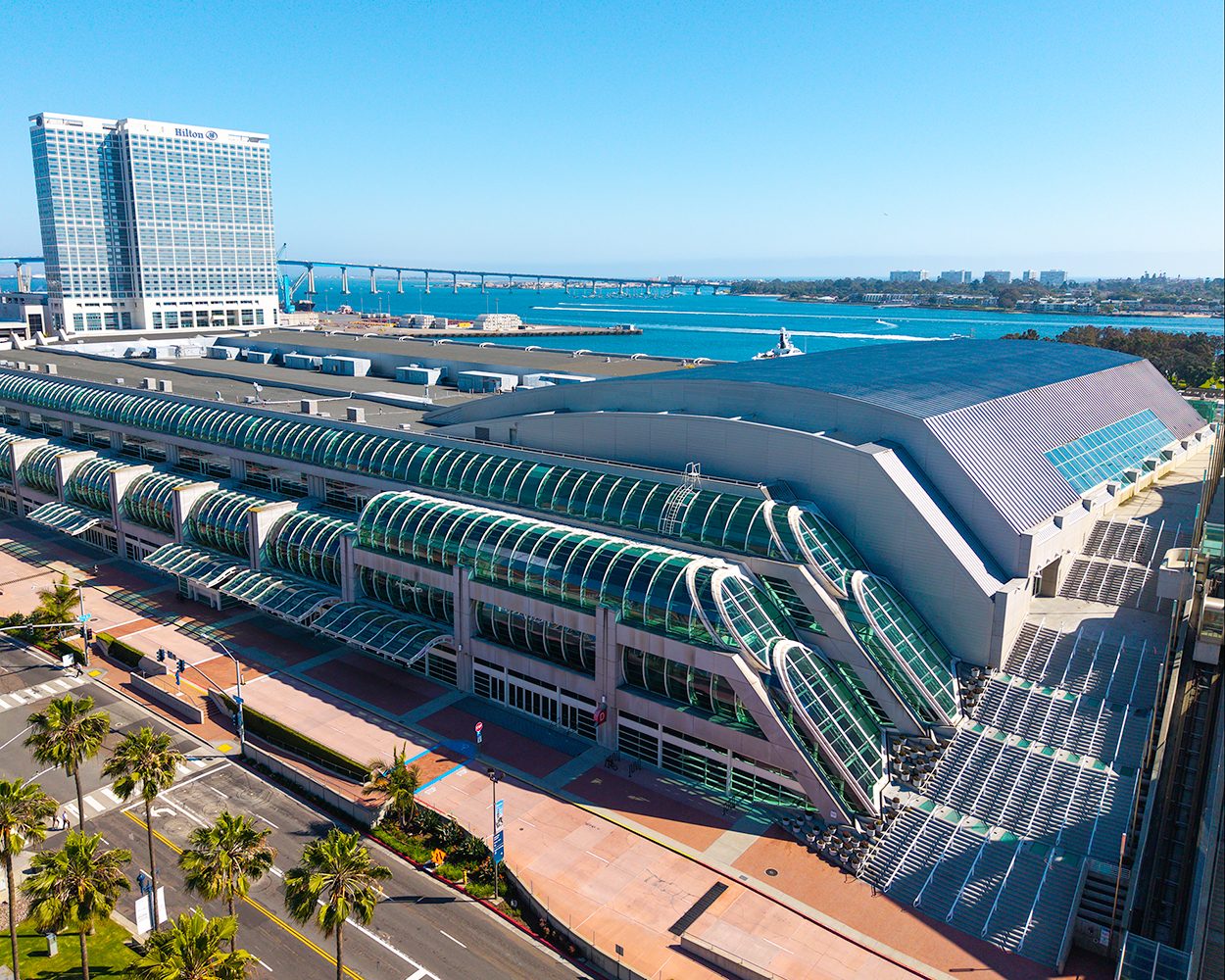
DOWNTOWN: For four days in July, San Diego belonged to the more than 135,000 people expected for Comic-Con, and the city felt it everywhere: the Trolley running crush-loaded, the Gaslamp's restaurants on two-hour waits, hotel rates at their annual peak. The city's projections put the 2026 regional impact above $160 million, with more than 61,000 hotel-room nights, more than $95 million in visitor spending, and about $3 million in city tax revenue. It is the single biggest week on the city's tourism calendar, and it is contracted to stay that way through 2030.
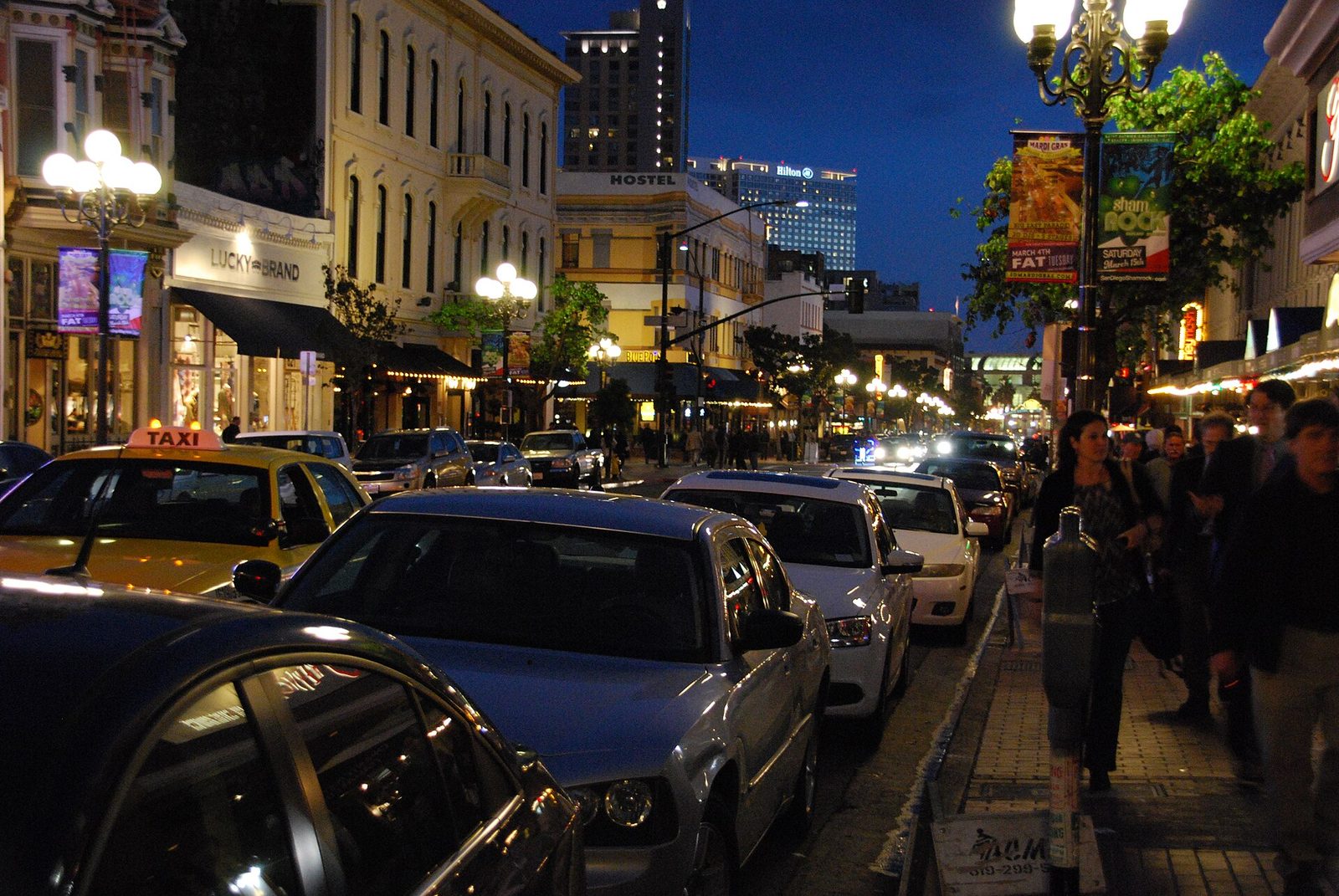
The footprint is the story. Comic-Con long ago outgrew the Convention Center; the Gaslamp Quarter functions as its second venue, with studios renting hotel ballrooms, rooftops, and parking lots for activations that never appear on the official program. The economic impact number counts the badges and the beds, but the cultural impact is the inversion: for one week, downtown San Diego is the center of the global entertainment industry's calendar.
What the city gets, and what it gives up
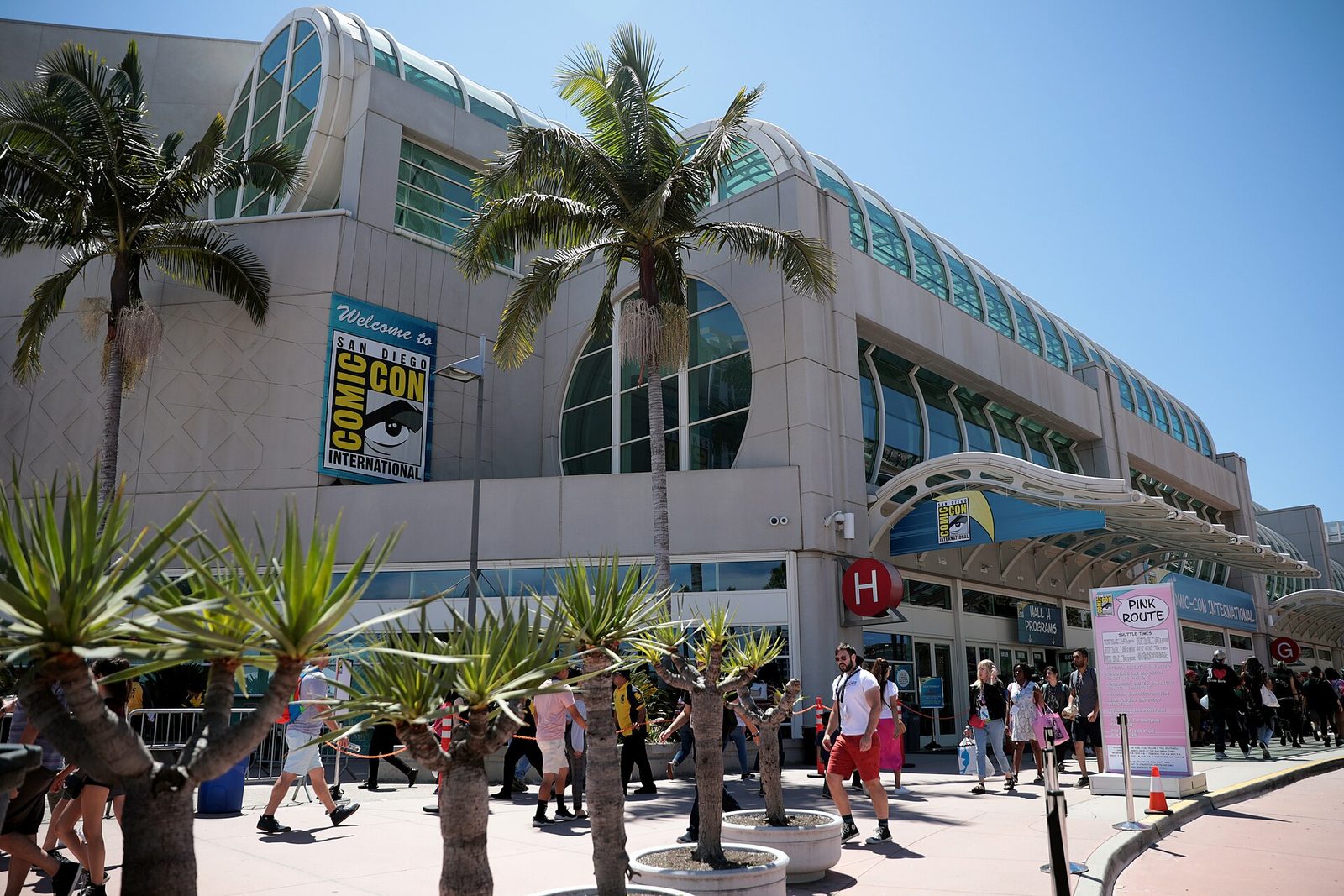
The city's side of the bargain is the Convention Center itself, the public asset without which none of this happens, and the perennial debate over expanding it. Every few years the expansion conversation returns, with the same arithmetic: the convention wants more contiguous exhibit space, the price tag runs into the hundreds of millions, and the voters have never quite said yes.
Through 2030, at least, the question is settled in the city's favor. Comic-Con looked at its options, as it does every contract cycle, and chose to stay. For a city that sometimes struggles to describe what it is besides weather, one week a year the answer is obvious: it is the place the world's storytellers come to meet their audience.
None to date. The Tribune corrects errors promptly and transparently. Read our corrections policy.