How the strong-mayor system works
The mayor runs the city day to day; the council holds the purse and the land use. How San Diego's strong-mayor system divides power, and where the friction lives.

SAN DIEGO: San Diego is run by a mayor with real power and a council built to check it. That arrangement is younger than most residents realize, and almost everything about how City Hall behaves follows from it.
A short history
Until 2006, San Diego ran on a council-manager system: the council hired a professional city manager who ran the departments day to day. In November 2004, voters approved Proposition F, which rewrote the City Charter to install a mayor-council, or strong-mayor, system on a five-year trial. The trial began January 1, 2006 and ended December 31, 2010. On June 8, 2010, voters approved Proposition D, making the system permanent.
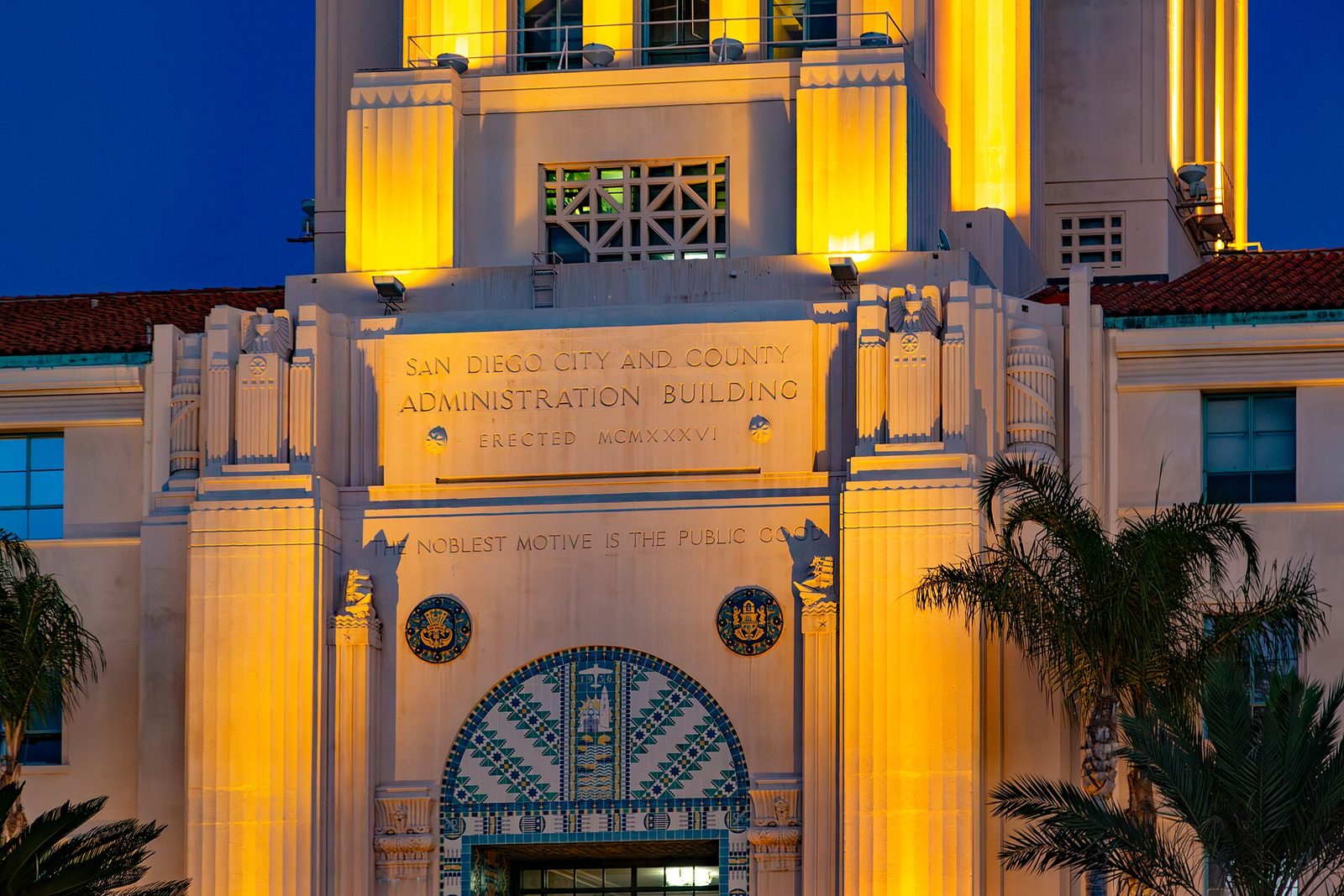
Proposition D did two more things: it added a ninth council district, and it raised the bar for overriding a mayoral veto to a two-thirds vote, which is six votes on the nine-member council.
Who does what
The mayor is the chief executive. The mayor runs the city's departments and proposes the annual budget. The council is the legislative body: it passes ordinances and resolutions, and most actions need five votes. The mayor can veto legislation; the council can override with six.
The council chooses a Council President each year to chair meetings and set the agenda. Proposition F also authorized the creation of the Office of the Independent Budget Analyst, which gives the council budget analysis independent of the mayor's numbers. The council's committees do the detailed vetting, with public input, before the full council votes.
The budget, the year's main event
The budget is the clearest expression of the system's design. The mayor must propose the budget and make it public no later than April 15. The council then holds at least two public hearings and, before June 15, passes a resolution that approves or modifies the mayor's proposal. The council can add, cut, or reshape any item.
The modified budget goes back to the mayor, who may approve it, veto it, or modify individual line items. The council then has five business days to override any veto or modification. Items the council does not override stand as the mayor left them. That fast clock is special to the budget: when the mayor vetoes ordinary legislation, the council has thirty calendar days to take it up again. This is the system's pressure point: the whole year's priorities get argued out in about two months, in public.
Where the friction lives
The design concentrates two kinds of power in two places, and they collide in predictable spots. Land use is the classic one: the council approves the big development decisions. The budget is the other: the mayor proposes, the council disposes, and the veto is the mayor's last word.
For residents, the practical lesson is timing. The public hearings are where the budget gets shaped, and the committee agendas are where land-use questions surface. The Chronicle keeps the council's official agenda links on our community calendar. Show up before the vote, not after.
None to date. The Tribune corrects errors promptly and transparently. Read our corrections policy.