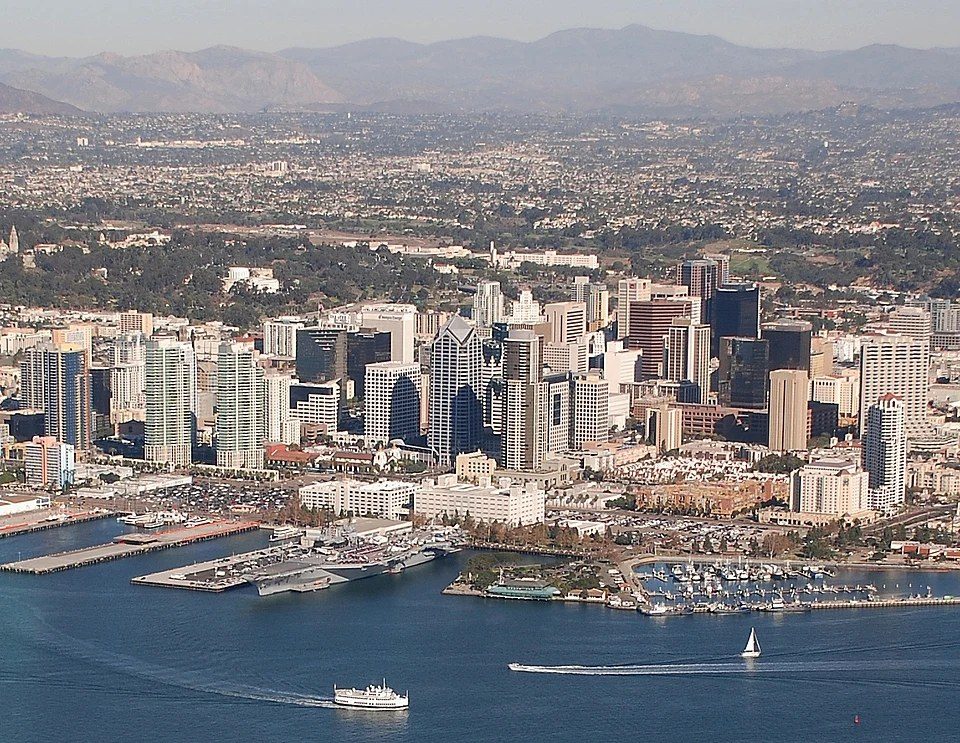
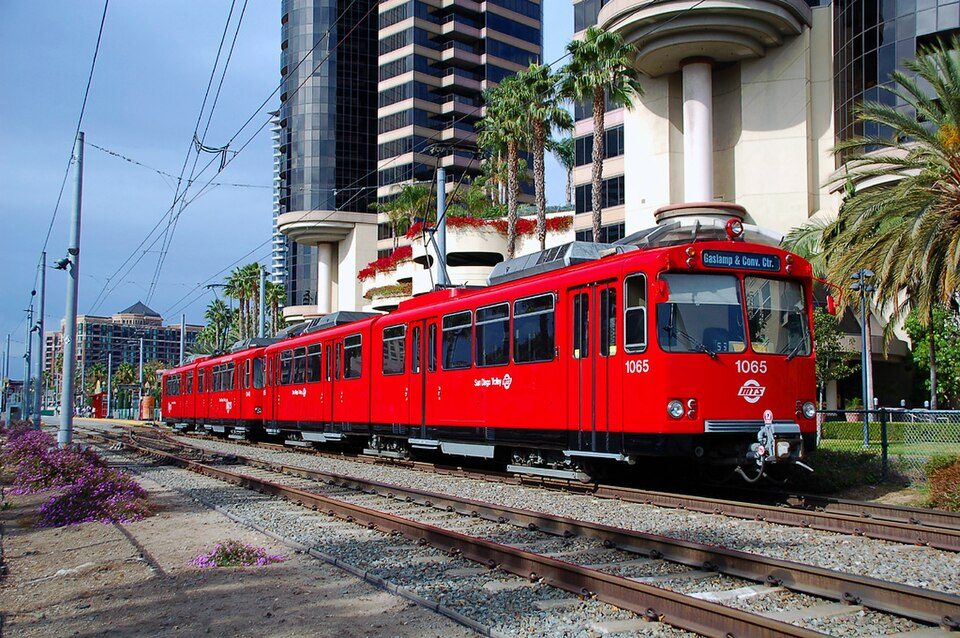
The border is San Diego's economic engine. Start treating it like one.
More than 130,000 legal crossings a day, and we still make people wait in line for hours.
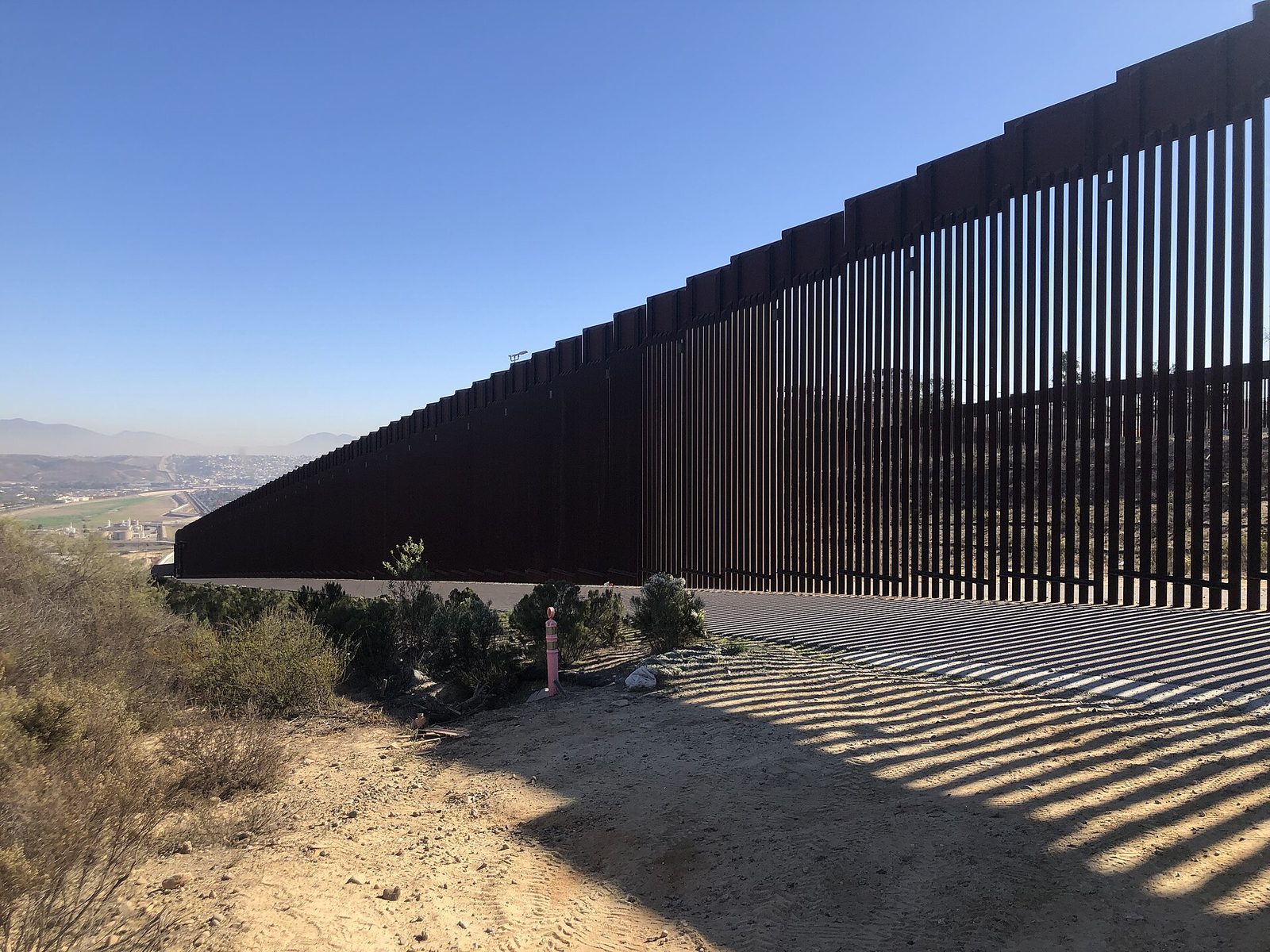
SAN DIEGO: About 136,000 people cross the California-Baja California border legally on a typical day, 47.1 million a year, according to SANDAG's 2024 border data. That is not a security statistic. It is the region's economy in motion: workers, shoppers, students, patients, families, supply chains.
And we tax every one of those crossings with time. The Smart Border Coalition publishes an annual accounting of what border wait times cost this region, and the number is always an embarrassment. Every hour a worker spends idling at San Ysidro or Otay Mesa is an hour stolen from a shift, a classroom, a clinic. The ports are the narrowest point in the CaliBaja economy, and we have managed them as an afterthought.
The honest fix is capacity, and it is finally being built. The Otay Mesa East port of entry, documented in the federal environmental review, will give the region a third major crossing east of the existing Otay Mesa port. It is the single most important infrastructure project on the border, and it cannot open soon enough.
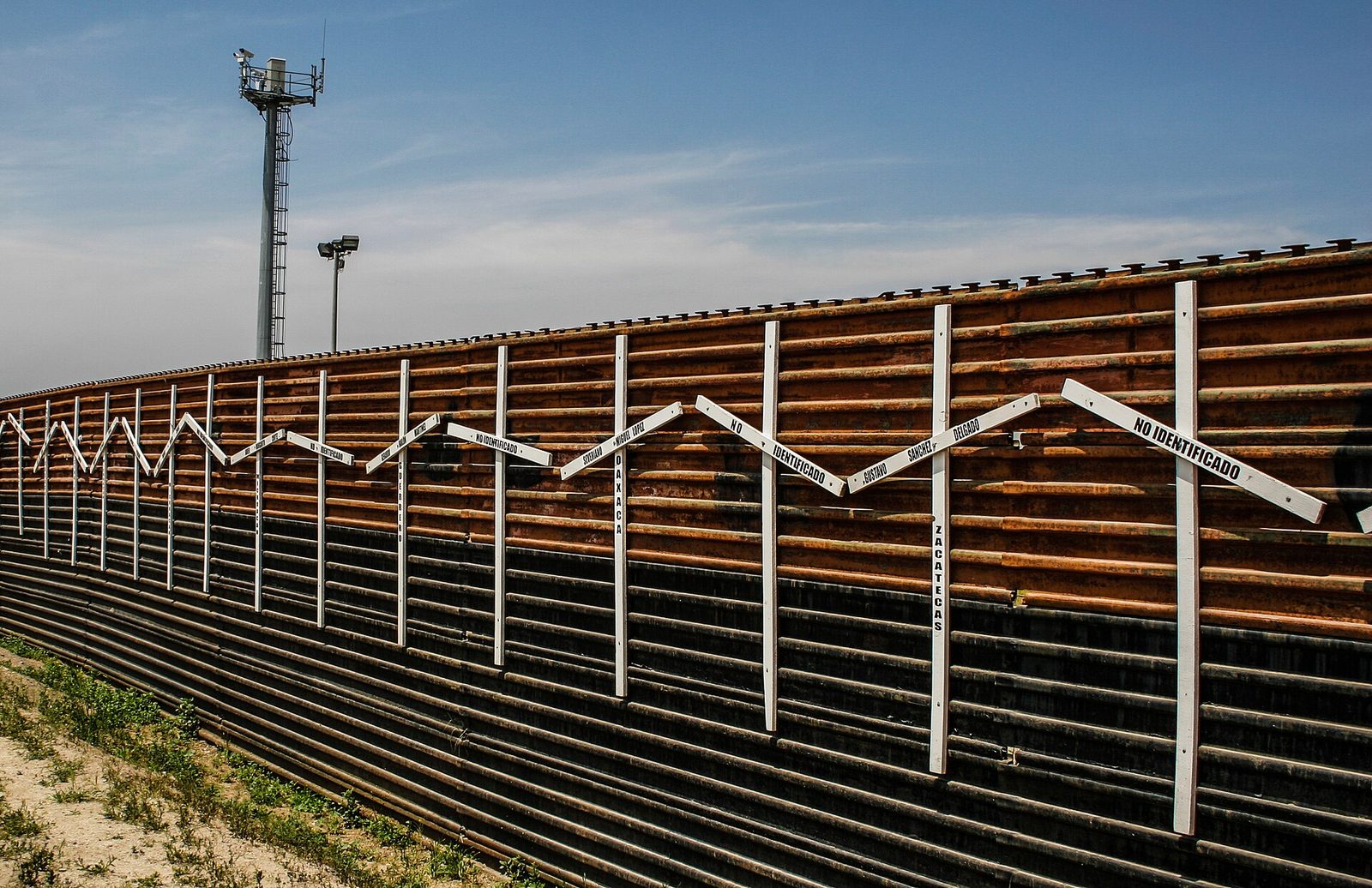
None of this erases the border's other ledger. The memorial crosses on the wall, each marked with a name or the words for the unidentified, are a reminder that the same boundary that carries tens of millions of legal crossings a year also carries a human cost that no wait-time study measures. A serious border policy holds both facts at once: the crossings are the economy, and the deaths are a moral failure. This column is about the first fact, not because the second does not matter, but because the first is the one our leaders keep ignoring.
Here is the column's argument, plainly: the border is San Diego's greatest competitive advantage, and the region's leaders should treat the ports the way they treat the airport and the seaport, as economic infrastructure to be expanded, modernized and celebrated. Staff the booths. Fund the technology. Build Otay Mesa East. Measure the wait times the way a business measures a supply chain, because that is what they are.
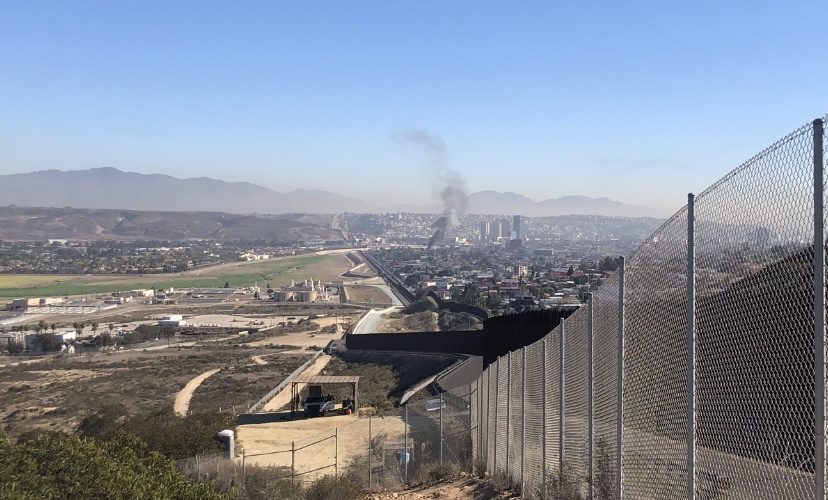
Every other great border city in the world understands this. San Diego, which counts tens of millions of legal crossings a year at its own ports, still acts surprised by it. The crossings are not going away. The only question is whether we keep taxing them with our neglect, or finally build the front door this economy deserves.
None to date. The Tribune corrects errors promptly and transparently. Read our corrections policy.